How Much Does SaaS MVP Development Cost in 2026: A Stage-by-Stage Estimate
Turnkey SaaS MVP development costs from $4,000 and takes 4–6 weeks — that buys a working product with registration, user dashboards, subscription billing, and an admin panel. A full platform with integrations costs more and takes 2–4 months. Below: which stages make up the estimate, where post-launch costs hide, and why a "$1,000 MVP" usually turns out to be the most expensive option.
Which stages make up the price?
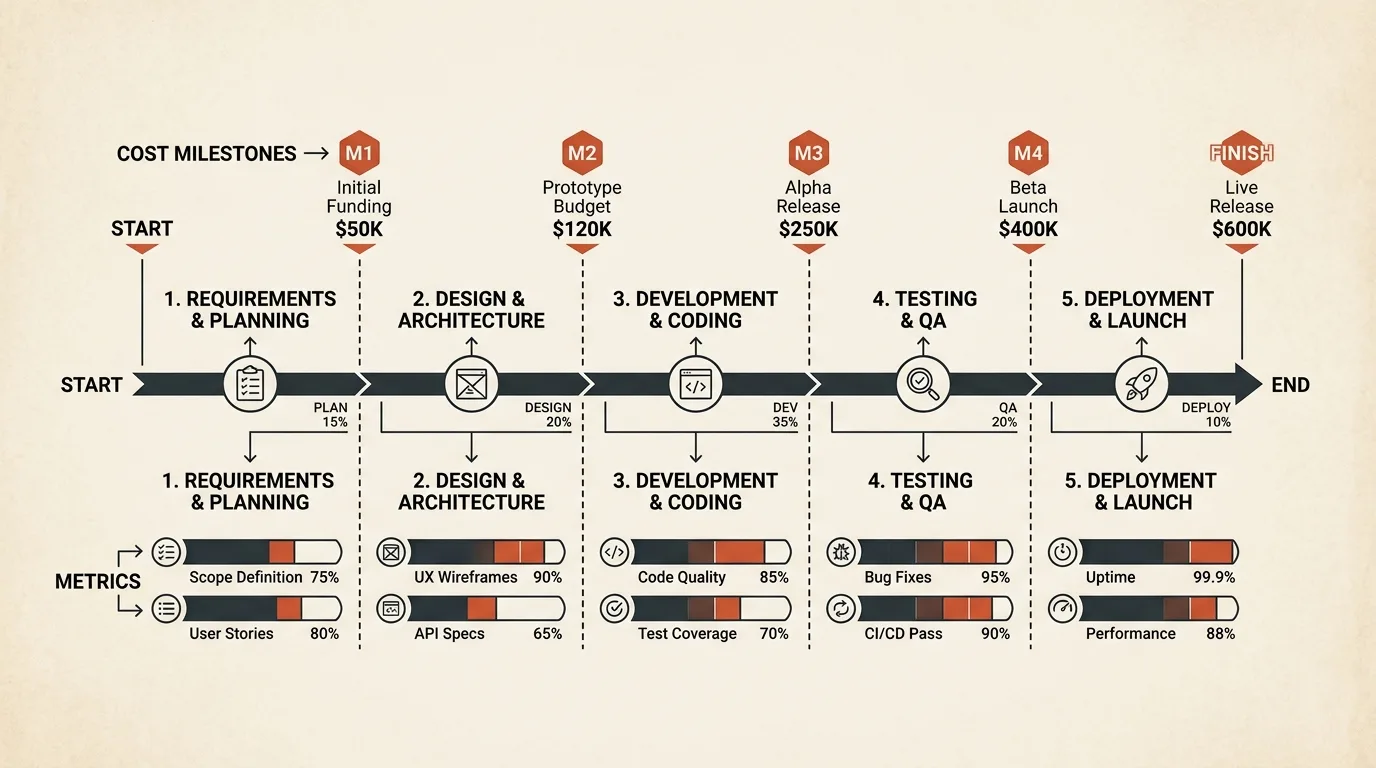
My SaaS development process has four stages, and each is a separate line in the estimate:
The key point: half the budget goes into the product core — the feature customers will pay for. If a contractor spends half the estimate on "a beautiful landing page and animations," the product has a priorities problem.
Why not just use a no-code builder?
Sometimes you should: for validating demand without unique logic, no-code honestly saves months. Custom development becomes justified when at least one of these appears:
- unique business logic — algorithms, calculations, automations that don't exist as ready-made blocks;
- subscriptions and complex billing — upgrades, grace periods, payment webhooks (I covered the technical side in my Stripe integration guide);
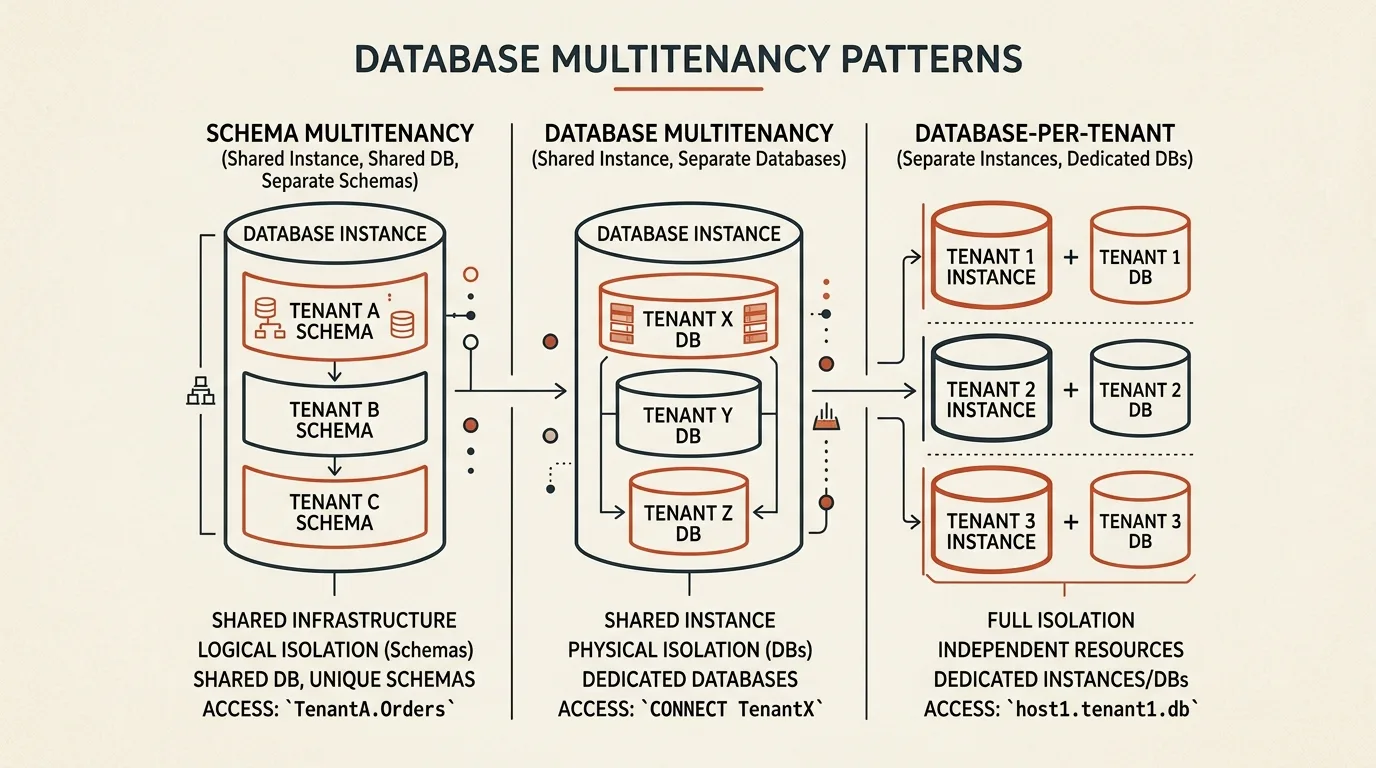
- data requirements — tenant isolation, exports, regulatory compliance (see my breakdown of multi-tenant architectures);
- a scaling plan — builders hit a ceiling, and migrating off them costs more than building custom from the start.
Where do post-launch costs hide?
The development estimate is not the full cost of ownership. Budget for:
- Infrastructure — a VPS or cloud, from tens of dollars a month at the start, growing with load.
- Payment fees — Stripe takes a percentage of every transaction (Stripe pricing).
- External APIs — email services, AI models, analytics: billed by usage.
- Iteration — a SaaS without updates dies; reserve budget for changes after the first user feedback.
Meanwhile the market keeps growing: global SaaS spending is forecast at $300B (Gartner, 2024), and public SaaS companies trade at a median 7.0x annual revenue (SaaS Capital Index) — a well-built product still has some of the best payback economics in the industry.
Why is the "cheap MVP" the most expensive one?
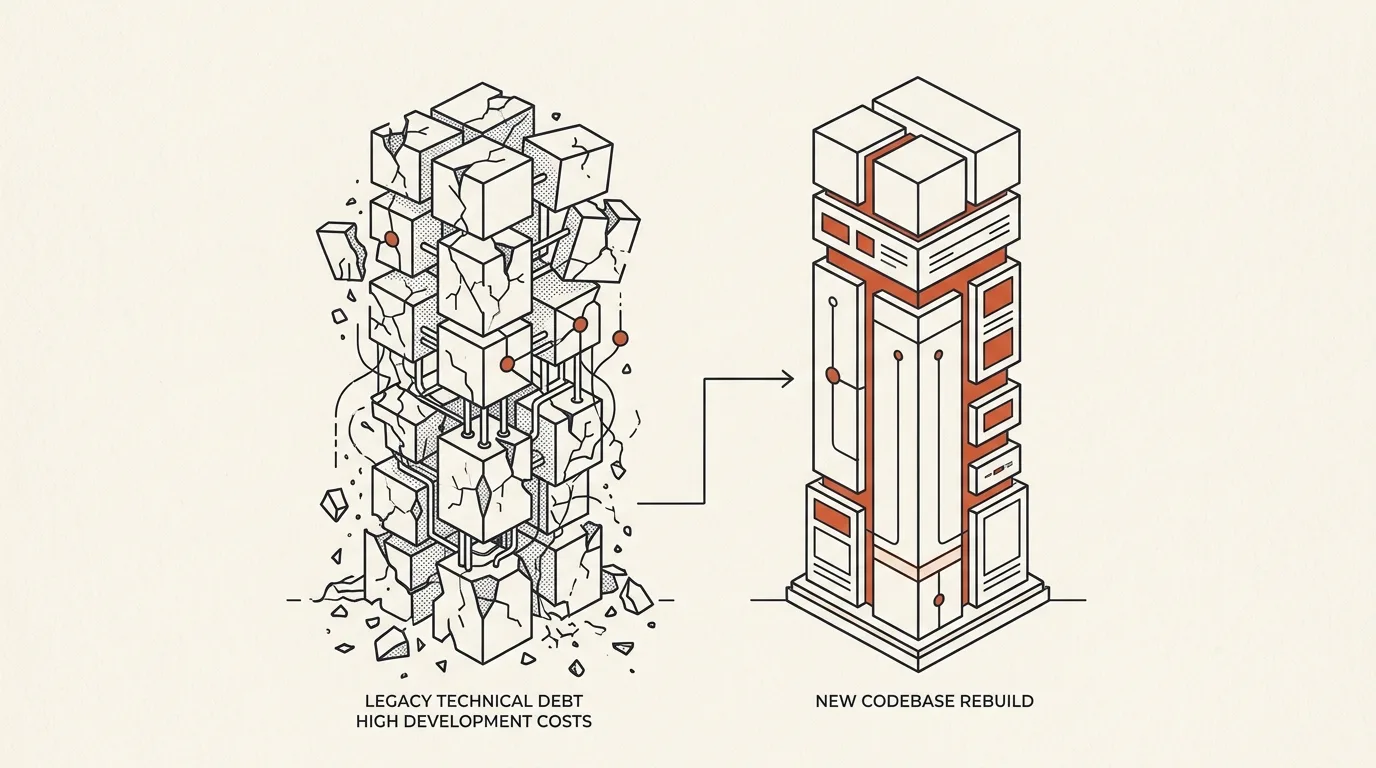
The main budgeting risk is not overpaying — it's paying twice. A $1,000 MVP from a bargain agency almost always means junior developers without code review, no tests, and template code that cannot scale. Within 3–6 months such a project gets rewritten from scratch — I broke down this trap with the math in The price of cheap code.
What the right alternative looks like, step by step with architecture diagrams, is in my guide How to build a B2B SaaS MVP in 30 days.
Want an estimate for your idea? Describe the product on the custom SaaS development page — I reply within 24 hours with a budget and timeline. If the idea is still raw, start with a technical consultation: in one hour we'll work through the architecture, the stack, and a realistic launch plan.
Frequently asked questions
How long does SaaS MVP development take?
A working MVP with user dashboards and billing takes 4–6 weeks. A full platform with integrations, team accounts, and an admin panel takes 2–4 months. Timelines count from an approved specification.
What is included in the from-$4,000 price?
Architecture design and specification, MVP development with registration and user dashboards, subscription payments, an admin panel, server deployment, and monitoring setup.
Which stack do you use for SaaS projects?
Vue 3 / Nuxt 3 on the frontend; Node.js, Python (FastAPI), or Laravel on the backend; PostgreSQL and Redis for data; Docker for deployment. The stack is chosen to fit the task, not the other way around.
What happens to the project after launch?
After launch I either take the project into maintenance (bug fixes, monitoring, feature development) or hand it over to your team with documentation: architecture, API, and deployment instructions.

Author
Alex RelFullstack Engineer
In commercial development since 2011 — over 15 years. Author of two SaaS products, TeleGo.io and LingvoHabit.com. The articles here come out of real client and product work.