SaaS platform
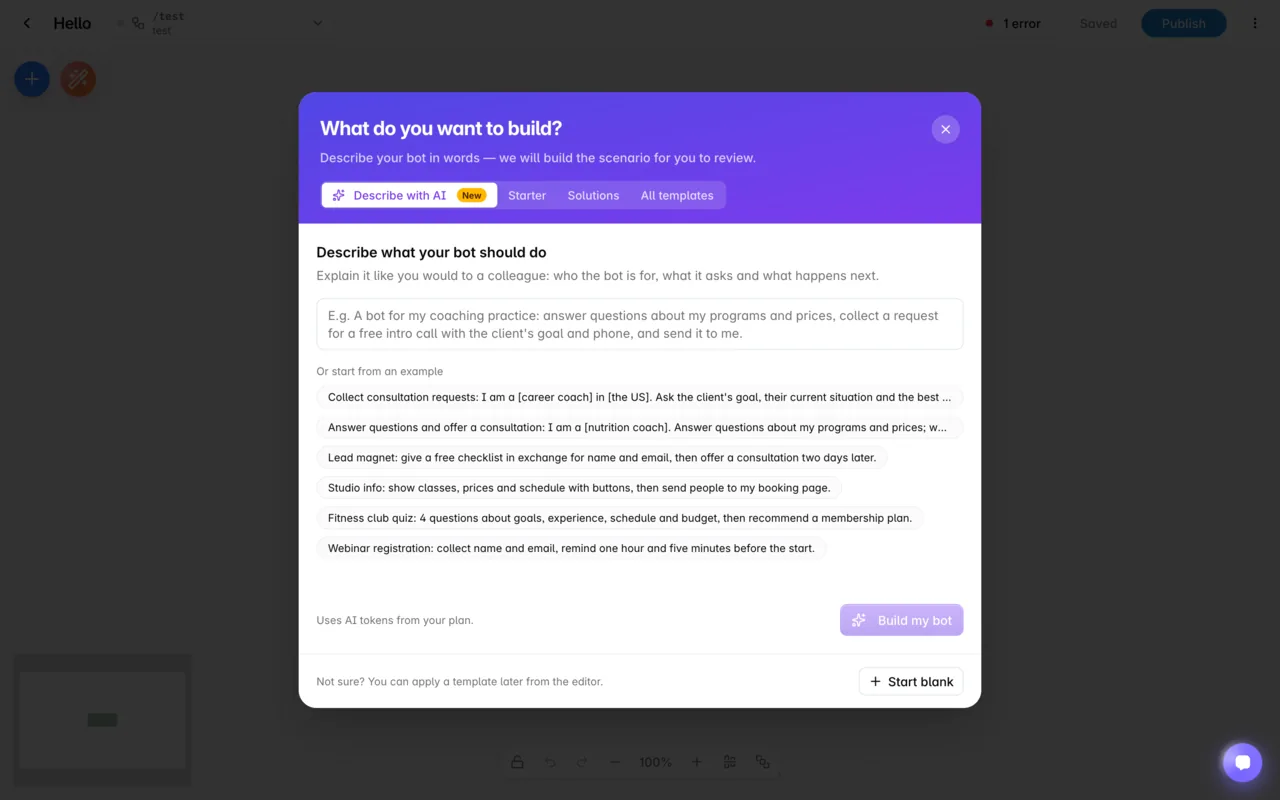
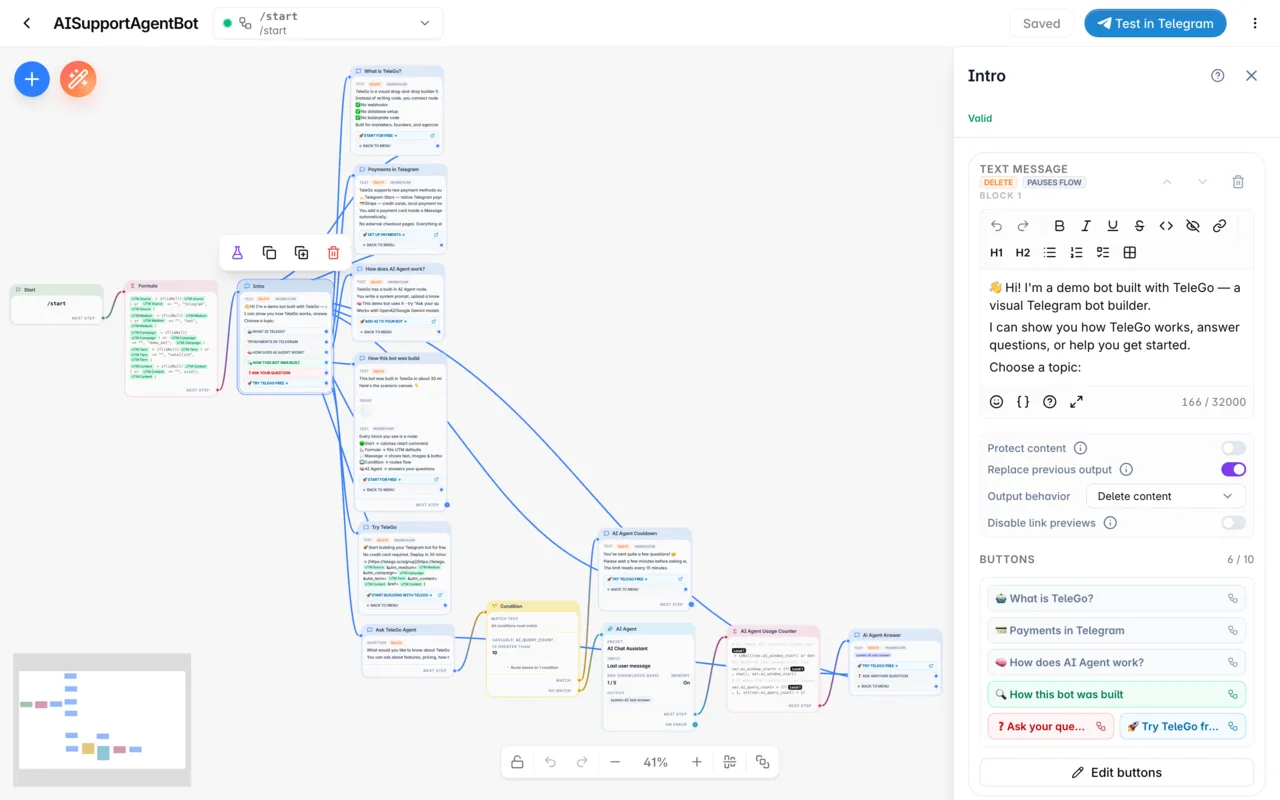
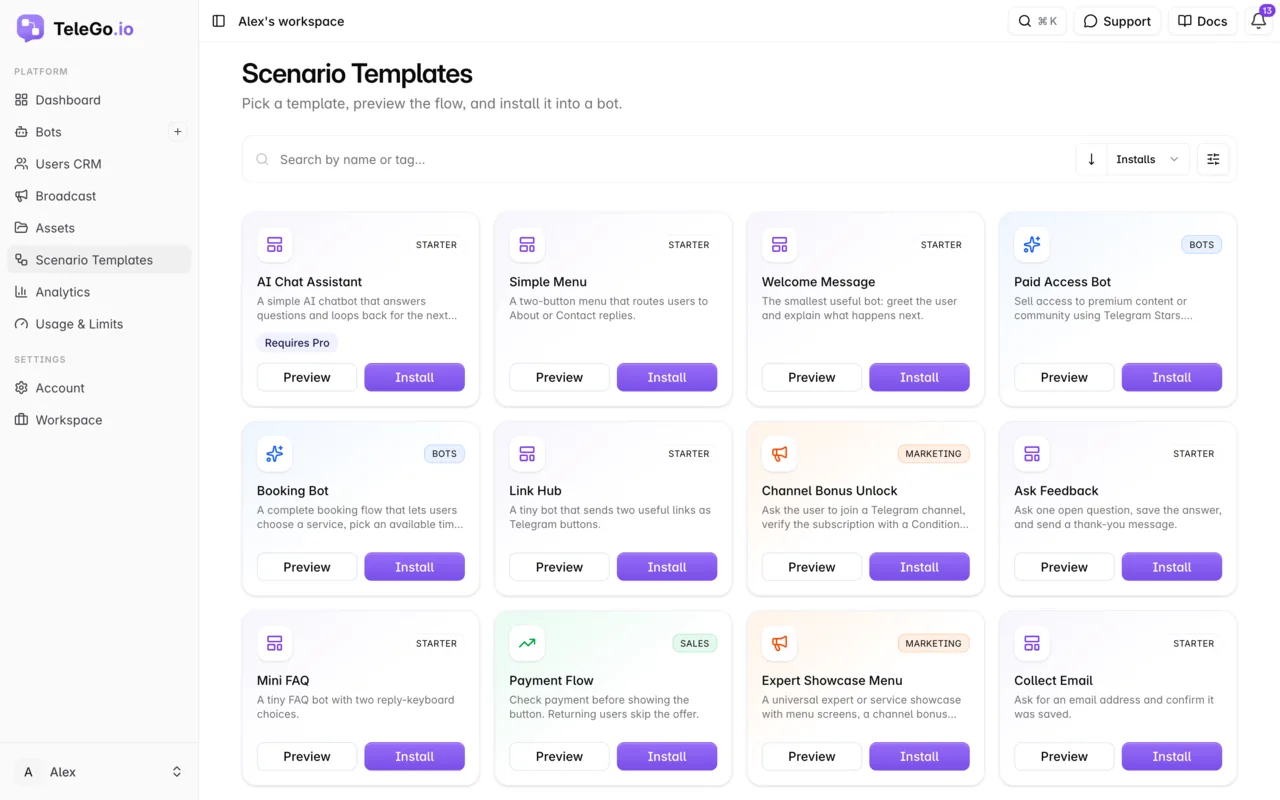
TeleGo.io
Platform for creating, launching, and managing Telegram bots with a visual builder, CRM, payments, and automation.
Stack: Vue, Nuxt, Laravel, Node.js, PostgreSQL, Redis, Docker
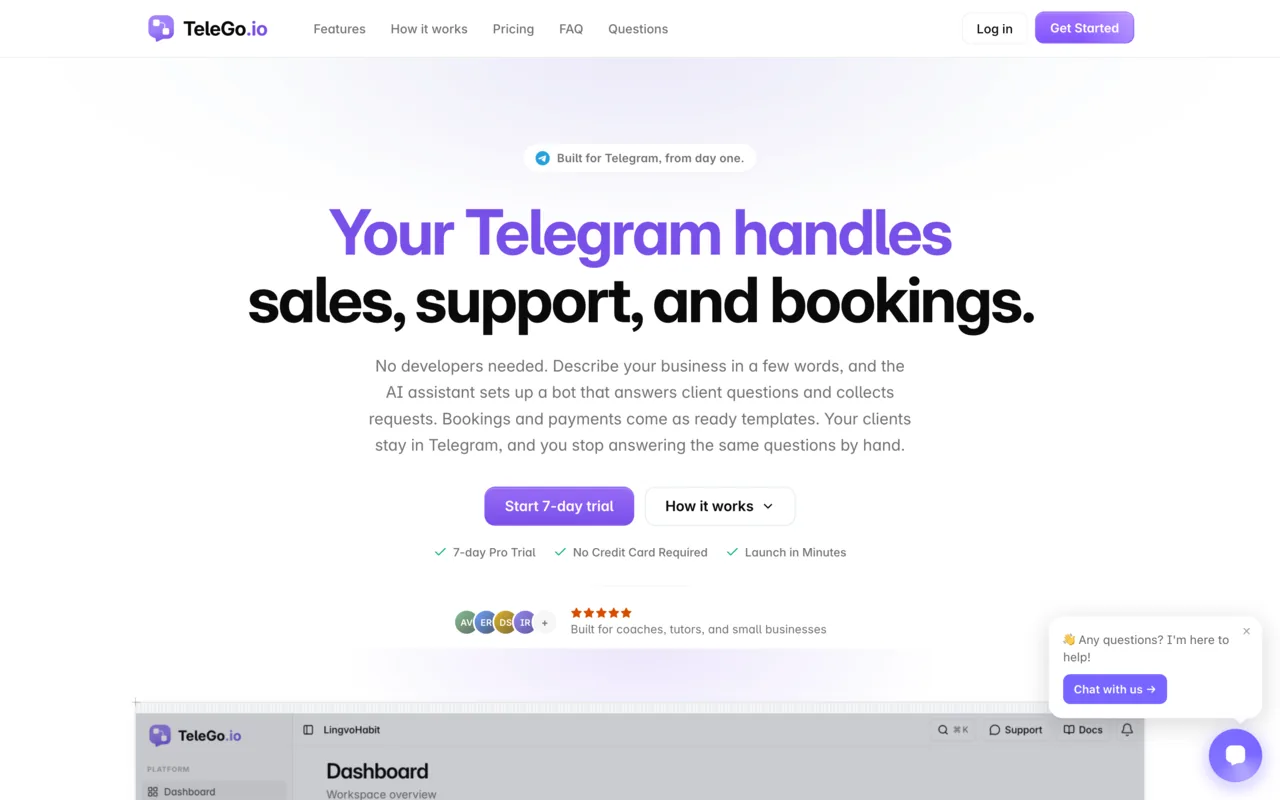
For founders and teams building a web product: from a first release to a SaaS platform with user accounts, subscriptions, payments and a complex backend. I design, build and launch it.
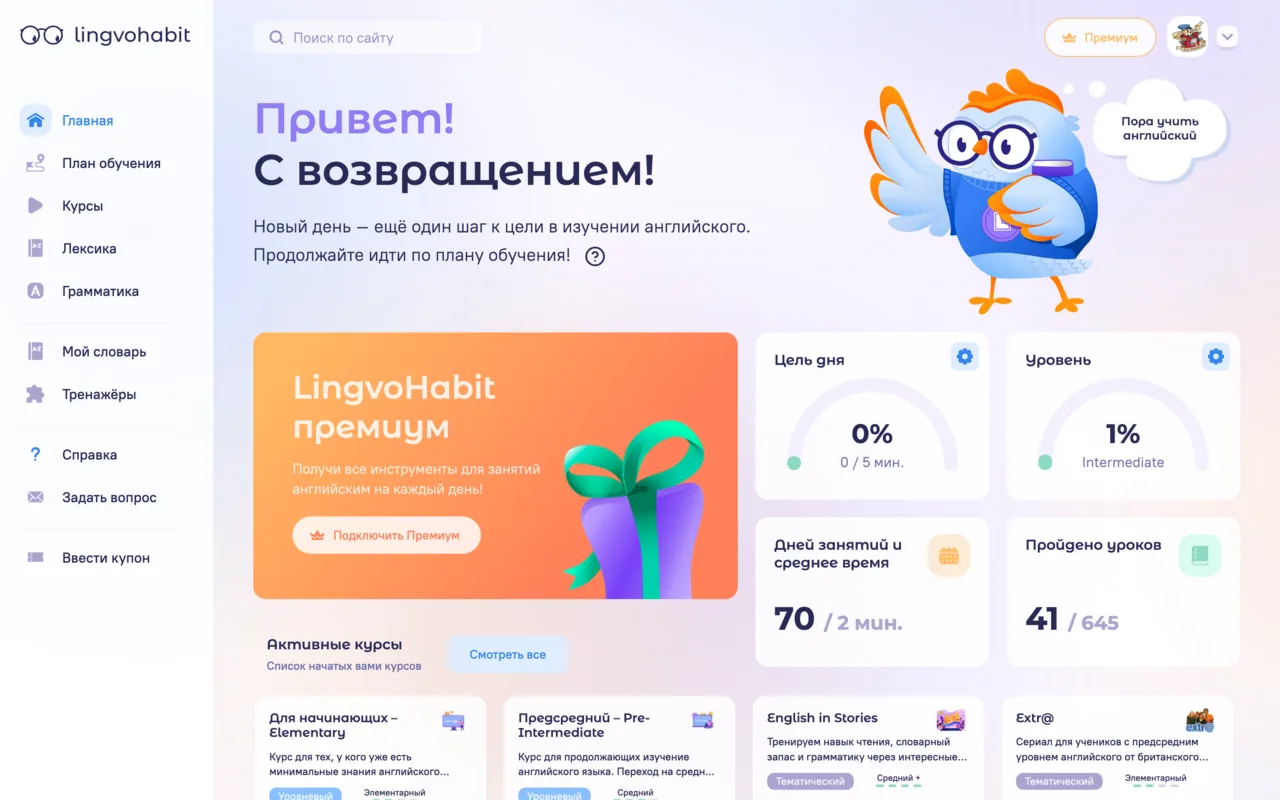
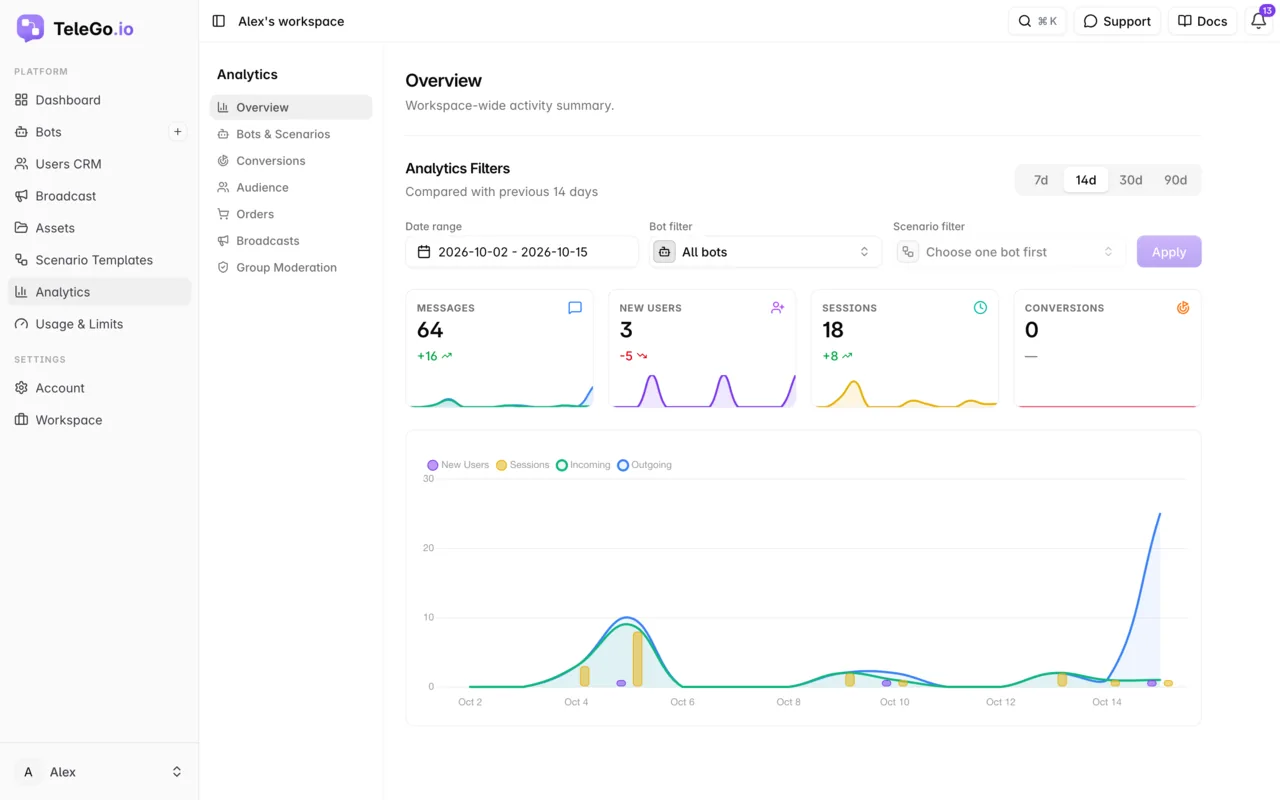
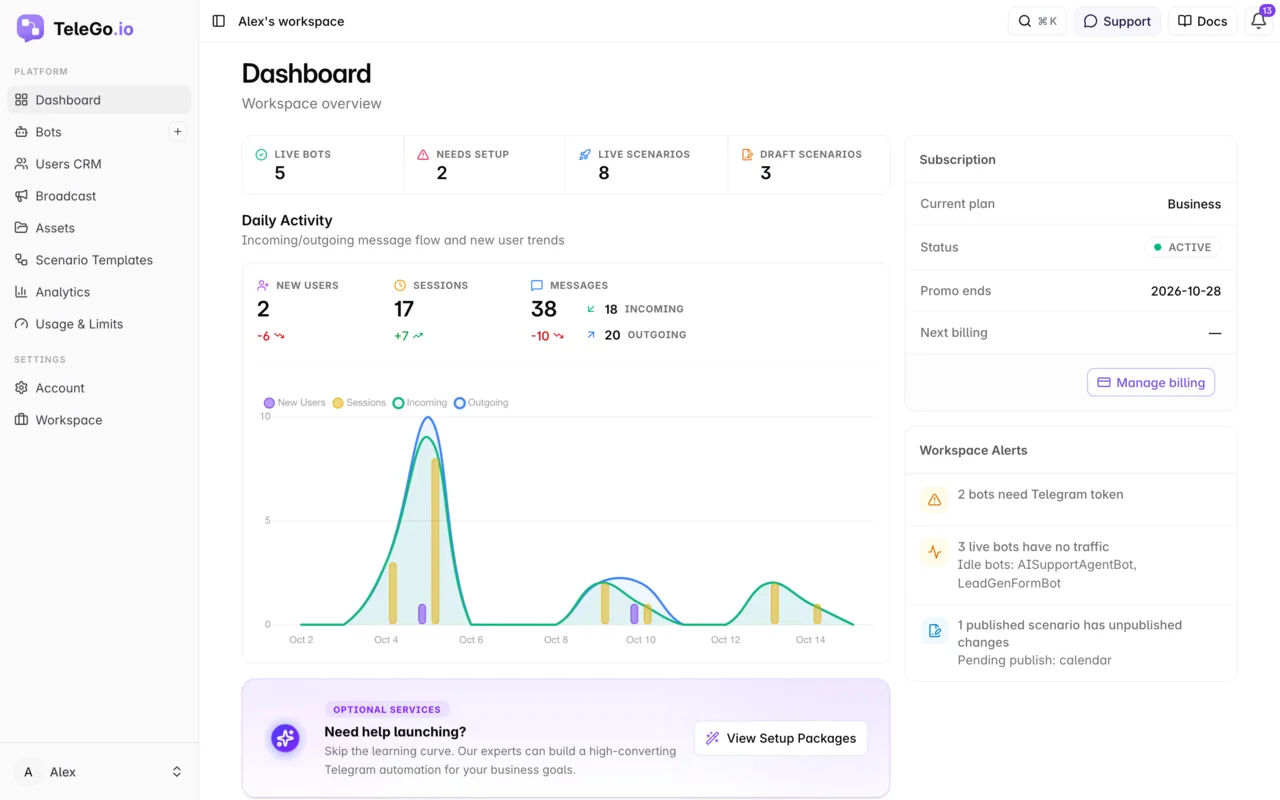
These platforms were designed, coded, and are currently maintained by me from idea to launch.
SaaS platform
Platform for creating, launching, and managing Telegram bots with a visual builder, CRM, payments, and automation.
Stack: Vue, Nuxt, Laravel, Node.js, PostgreSQL, Redis, Docker
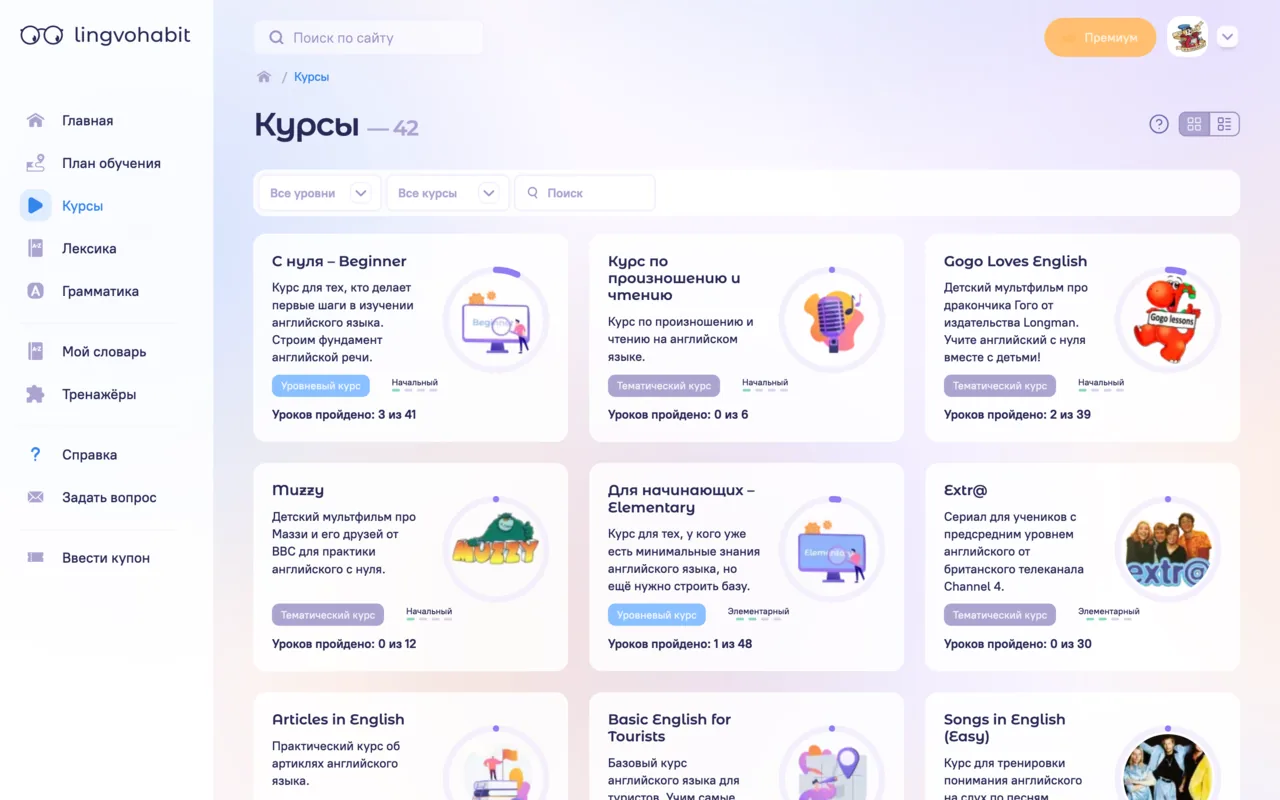
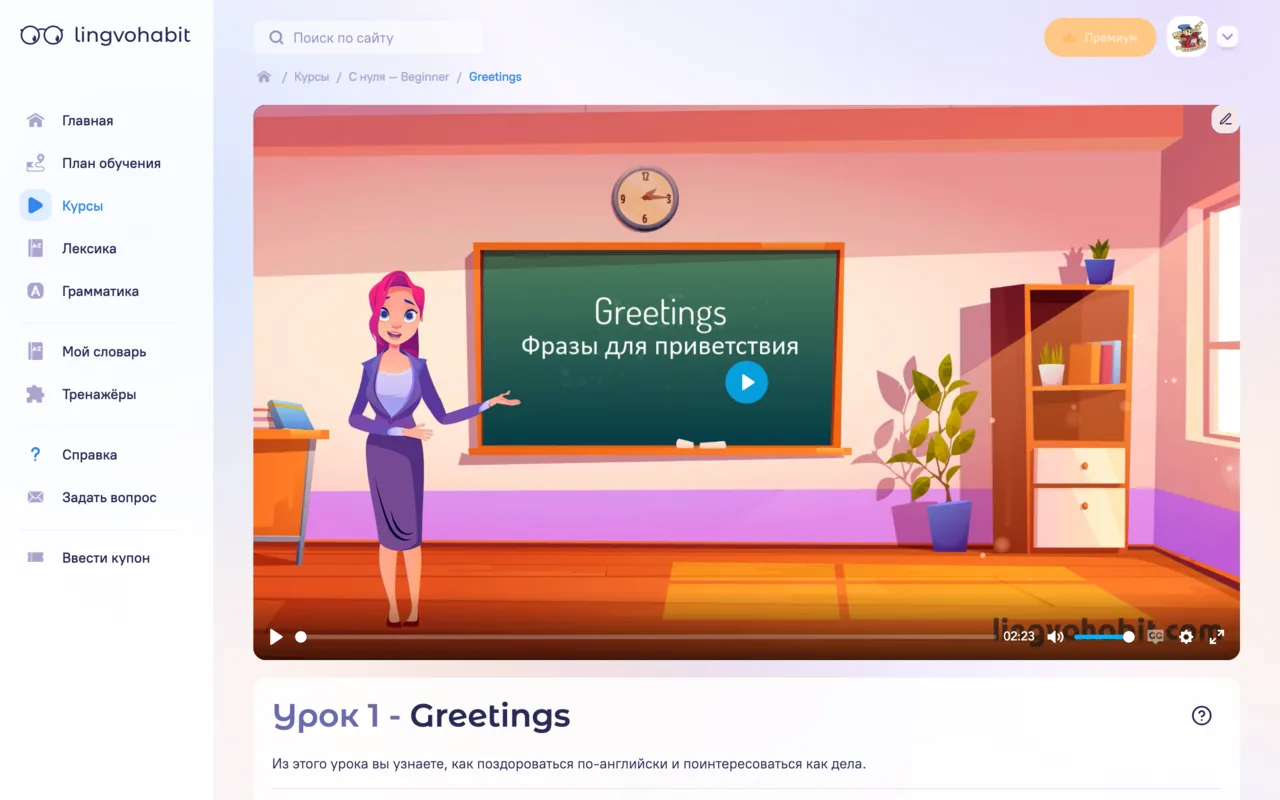
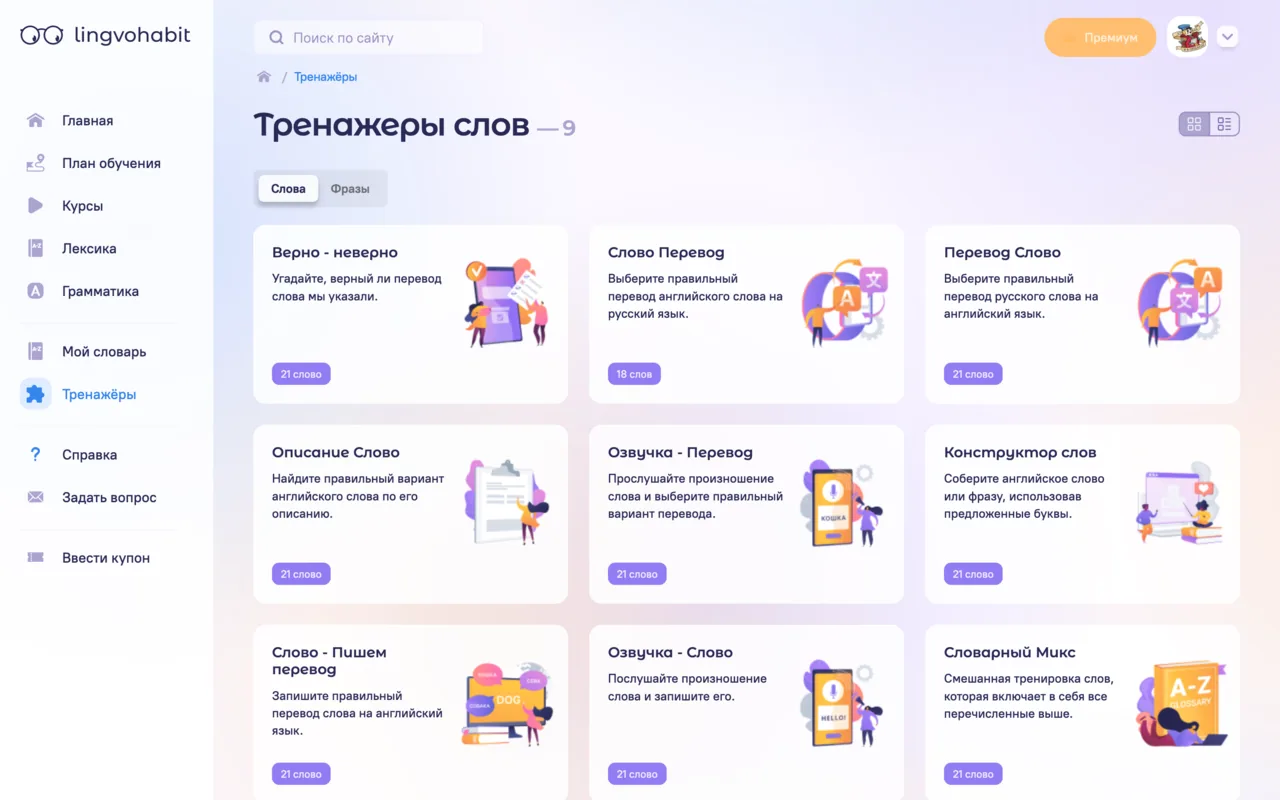
Learning platform
Interactive language platform for building a daily learning habit, with user accounts, drills, and gamification.
Stack: Vue 3, HTML5, SCSS, Laravel, MySQL, Redis

From a clear specification to a working product on your server.
Planning the architecture of your future platform, choosing the right technologies, and drafting a detailed specification for development.
Building a working version of the platform with core features (usually within 4–6 weeks) to test your business ideas in the real world.
Developing user dashboards, team accounts, recurring billing plans, and connecting third-party services via APIs.
Deploying the project on a reliable server (VPS), configuring automated backups, and providing post-launch support to keep it running smoothly.
Everything a web service cannot work without: accounts, money, management and a reliable back end.
Administrator dashboards to manage users, content, subscriptions, and view business analytics.
Secure authentication, user profiles, permission controls, and activity logs.
Accepting recurring subscription payments via Stripe, bank cards, or cryptocurrency. Promo code management.
High performance under heavy traffic loads, asynchronous processing, and smooth integrations with third-party APIs.
Payments, AI models, messengers and spreadsheets: I connect the services the product cannot do without.
I host the project on a reliable server (VPS) and set up SSL and backups so the service keeps running after launch.
Confirmations, renewal and payment reminders reach your customers on their own, by email or in Telegram.
Languages, frameworks, databases and server software I work with: I build products on them, maintain them and migrate projects. The stack is chosen for the task.
Typical scenarios where off-the-shelf solutions fall short.
You need a platform to validate your business idea. Fast MVP in 4–6 weeks to test demand and attract first paying customers.
Platform for courses with user dashboards, learning progress tracking, gamification, and automatic certificate issuance.
Platforms connecting suppliers and buyers with commission models, ratings, and review systems.
Internal tools for business process automation: CRM, ERP, project management systems with team access.
Platforms with recurring payments, plan management, promo codes, and churn analytics.
Specialized solutions for specific industries where ready-made products don't cover all needs.
We agree on the core job of the product and the MVP boundaries, then fix the scope, price and timeline.
The agreed core feature, registration, user accounts, billing, an admin panel and deployment.
From $4,000. Allow 4–6 weeks after specification approval. A more complex platform is estimated separately.
Additional integrations, infrastructure, fees and external APIs are separate estimate items. We agree on support and project handover before work starts.
Describe the problem, your users and the core feature. We will clarify the first release, integrations and constraints, then agree on cost and timeline.
MVP development starts at $4,000. The basic scope includes an agreed core feature, registration and user accounts, billing, an admin panel and deployment. The estimate is 4–6 weeks after specification approval. Additional integrations, infrastructure, fees and external APIs are itemised separately.
A basic MVP can typically be launched in 4 to 6 weeks.
A more complex platform with payments, integrations, and advanced logic usually takes 2 to 4 months.
I handle the technical side: system architecture, application logic, and a clear specification.
I need your goals, requirements, and a description of how your business process should work.
I work with the following stack:
I choose the specific technologies based on the project’s requirements.
After launch, I provide a free guarantee support period to fix bugs.
Monthly technical maintenance for ongoing development and support can be arranged separately.
The warranty period, covered fixes and handover of source code, access and documentation are agreed before work starts.
Custom SaaS development is a turnkey service for building subscription-based web platforms — user dashboards, billing, admin panels, and backend — from architecture to launch. A working MVP is typically ready in 4–6 weeks, with a full platform taking 2–4 months.
Updated
SaaS (Software as a Service) is a software delivery model where users access your product via subscription.
I build such platforms from scratch: I design the architecture, develop the functionality, connect payments, and launch the ready solution.