Bot Builder vs Custom Development: How to Choose in 2026
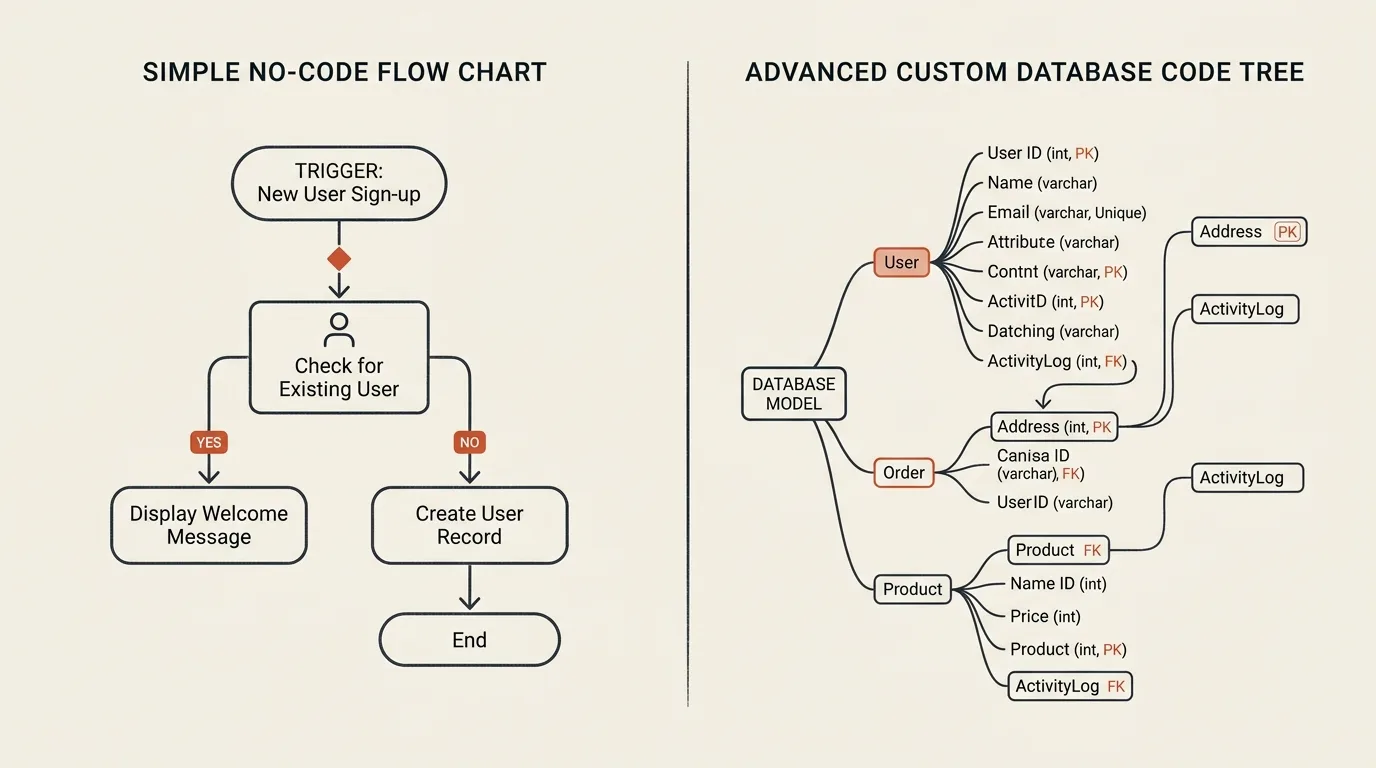
The short answer: if your scenario fits standard blocks — booking, payments, menus, broadcasts — take a no-code builder and launch in a day. If you need non-standard logic, deep integrations, or high load — order custom development from $250. Below is a decision table and where exactly the boundary runs.
I'm in an unusual position for this comparison: I'm both the author of the no-code builder TeleGo.io and a developer of custom Telegram bots. I have no incentive to oversell either option — here's how I choose myself.
Builder vs custom: the decision table
When a builder is enough
From my experience running TeleGo, standard blocks cover most small-business tasks:
- Client booking — salons, studios, private practice;
- Selling access and courses — Stripe and Telegram Stars payments inside the chat;
- Lead collection and nurturing — surveys, segmentation, automated reminders;
- Support — FAQ answers, including AI replies from your own knowledge base.
If your task is on this list, don't overpay for development: assemble the bot in a visual editor, validate demand, and only then decide whether you need custom. TeleGo has a free 7-day Pro trial exactly for that.
When you need custom
Custom development is justified when at least one of these appears:
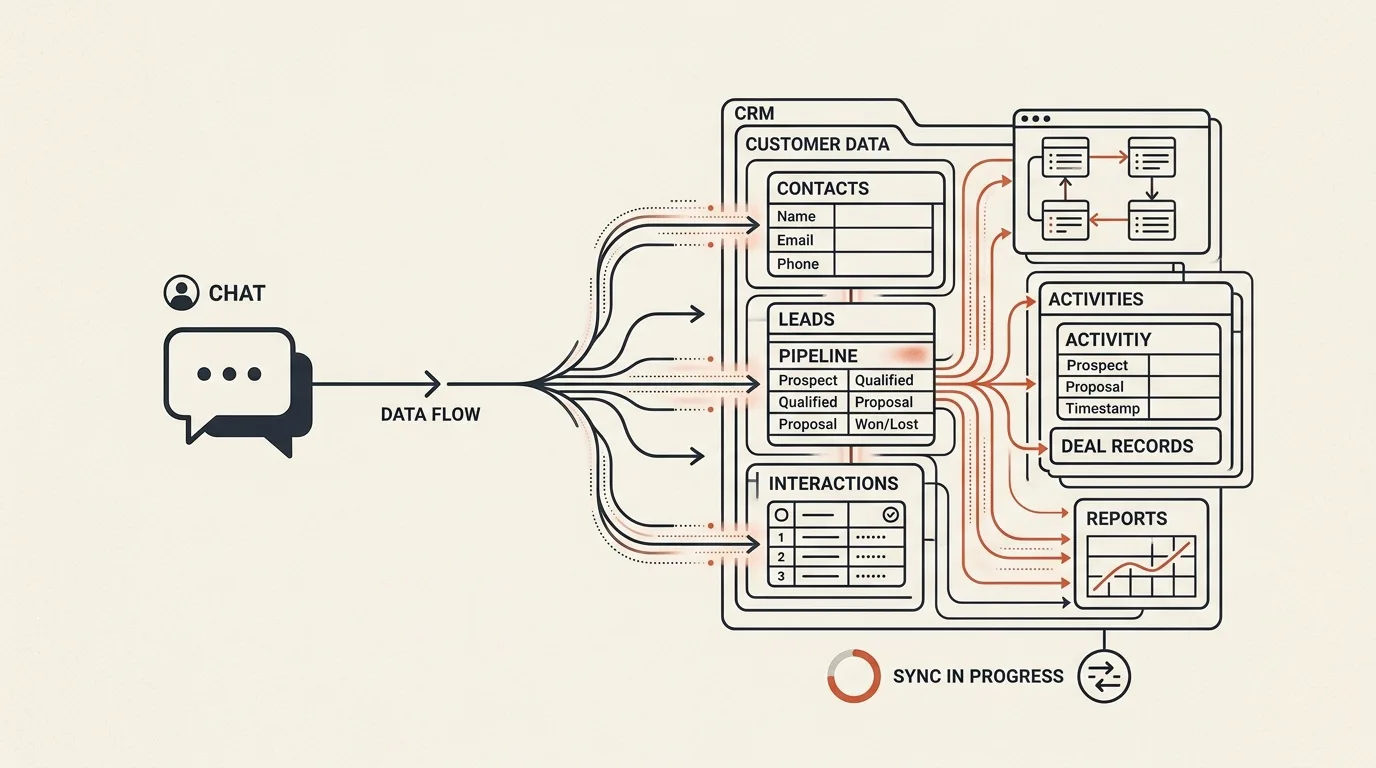
- Non-standard business logic — lead scoring, complex branching, calculations. A code-level example is in my article on integrating a bot with a CRM.
- Deep integrations — an in-house CRM, ERP, niche APIs that no builder supports.
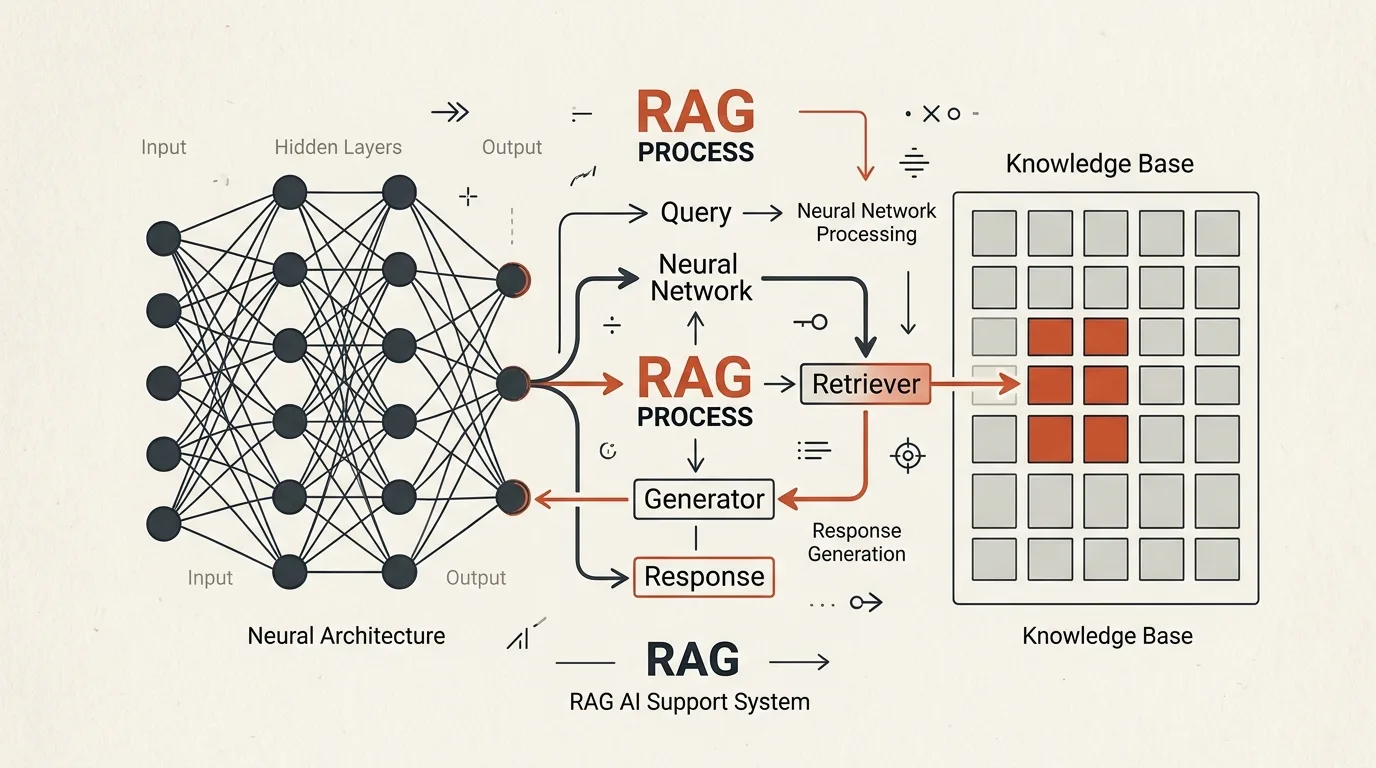
- AI on your data — a RAG bot that answers strictly from your knowledge base and hands complex dialogues to a human (architecture breakdown).
- Load — tens of thousands of users require purpose-built queues and database architecture.
- Code ownership requirements — corporate policies or investors.
What it costs by bot type is in my detailed development cost breakdown; the short version: a simple bot from $250, a business bot from $500, an AI bot from $900 — all with a control panel and 6 months of hosting included.
The hybrid path: how I do it
The most common mistake is choosing "forever." The working scheme looks different:
- Assemble an MVP bot on a builder in a day and launch it on real clients.
- Collect data: which flows get used, where users drop off.
- When you hit the ceiling — order custom, porting flows already proven by demand, not hypotheses.
This way you pay for development once, and only for logic validated by real usage. Technically the bot talks to the Telegram Bot API in both cases — migration means porting flows and the client database, not starting over.
Not sure which path is yours? Describe the task on the Telegram bot development page — I'll tell you honestly if a builder is enough, or book a consultation for a scenario review.
Frequently asked questions
When is a bot builder enough?
When your scenario fits standard blocks: welcome flow, menu, booking, payments, broadcasts, FAQ answers. That covers 80% of small-business tasks — salons, schools, consultants, e-commerce.
Can I migrate from a builder to custom development later?
Yes, and it's a normal path: validate demand on a builder within a day, and when you hit its limits, order a custom bot and port the proven flows. Just make sure you can export your client database.
Which is cheaper over a year?
For standard scenarios — a builder: the subscription costs less than maintaining custom code. For non-standard logic — custom: workarounds fighting a builder's limits cost more than development.
Who maintains the bot after launch?
On a builder — you do, through the visual editor. With custom development — you edit content through a control panel, while a developer maintains the logic and integrations.

Author
Alex RelFullstack Engineer
In commercial development since 2011 — over 15 years. Author of two SaaS products, TeleGo.io and LingvoHabit.com. The articles here come out of real client and product work.